

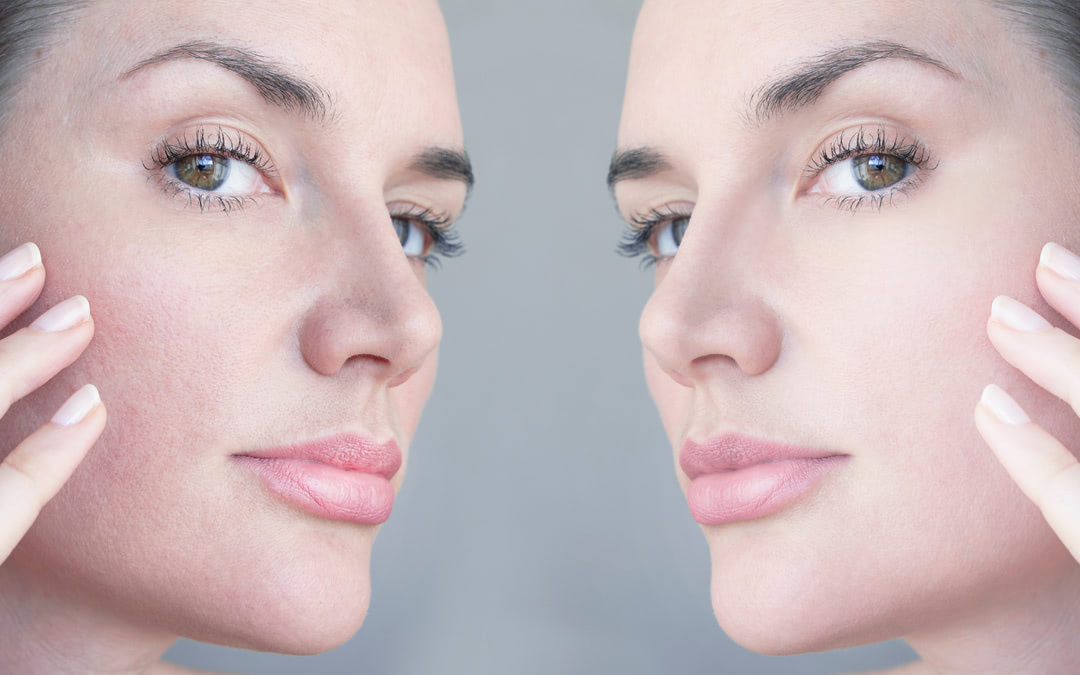
Redness, swelling, and small pus-filled bumps are just some of the signs that indicate the presence of rosacea. It is a chronic inflammatory skin condition that usually affects the face and can often be mistakenly diagnosed as eczema or an allergic reaction.
The rosy edge is more common in middle-aged women with fair skin. Specifically, the chances of developing the condition increase if:
- You have fair skin, blonde hair and blue eyes
- You are a woman between 30-50 years old
- You have family members with rosacea
- You had severe acne in the past
- You smoke
The symptoms that will “awaken” you
The symptoms of rosacea are usually temporary. They may appear for a few weeks, subside for a while and then return. These are:
- Facial redness. Rosacea usually causes persistent redness in the central part of the face. The small blood vessels in the nose and cheeks often become dilated and more visible.
- Red bumps. Many people with rosacea also develop bumps on the face, which sometimes contain pus and resemble acne.
- Eye problems. Many patients with rosacea have dry and swollen eyes and eyelids. This condition is known as ocular rosacea. In some people, eye symptoms precede skin symptoms.
Swollen nose. Over time, rosacea can cause the skin on the nose to become enlarged. This occurs more often in men than in women.
6+1 ways to reduce redness
Rosacea is a skin condition that affects everyone differently and it may take some time to learn how to manage it. The best way to avoid a flare-up is to consult your pharmacist, who will guide you on the products you should include in your daily skincare routine.
The following tips are a good starting point to reduce redness in your skin:
- Apply sunscreen. Use a broad spectrum (blocks UVA and UVB rays) with SPF 30 or higher, every time you go out in the sun. Also wear a wide-brimmed hat that covers your face.
- Use gentle skincare products. Avoid cleansers and creams with alcohol or fragrance and prefer milder ingredients. After washing your face, pat your skin dry with gentle motions.
- Apply moisturizing cream morning and night. It is particularly useful in winter, as low temperatures and wind can dry out the skin. Ask your pharmacist or dermatologist to recommend the appropriate one for you.
- Massage your face. Gently rub your skin with circular motions. Start from the center of the face and move outward and upward.
- Take care of your eyes. If they are red and irritated use a gentle eyelid cleanser on a daily basis.
- Watch your eating habits. The Mediterranean diet seems to help some patients who suffer from rosacea.
- Relax. It is important to manage your emotions and not let the condition affect you. If you feel uncomfortable with your skin or think your self-esteem is being affected, you should consult your doctor.